
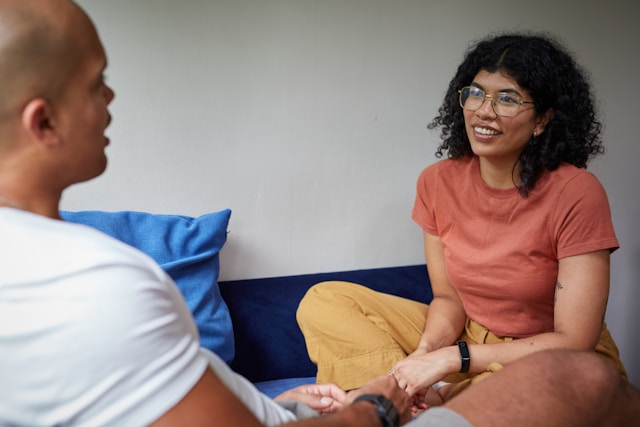
Mentors play a huge role in both our professional and personal lives. Not only do they help us progress faster, but they also support our personal development. In this article, we look at what makes a good mentor. We talk about important qualities such as listening and how to give feedback properly. The aim is to give future mentors practical tips so that they can be successful in their role and really make a difference.
Key Qualities of an Outstanding Mentor
Mentoring is an art that requires much more than just passing on knowledge. It's about building a relationship where the mentee can grow and learn. A great mentor brings certain key qualities that can make all the difference. Here are three of the most important qualities every mentor should have:
- Empathy and patience: A good mentor understands what their mentees are going through and gives them time to develop. It's about knowing when to help and when to wait.
- Expertise and experience: A mentor brings a lot of knowledge and knows how to best share it. It's important that they pass on this knowledge in a way that not only helps the mentee learn, but also motivates them to think and act independently.
- Being able to listen: A great mentor really listens. This means being fully present when the mentee is speaking. This not only shows respect, but also helps to understand exactly what the mentee needs and how to best help them.
These qualities not only make a good mentor, but also build a strong, trusting relationship that enriches both sides.
Effective Practices in Mentoring
Mentoring goes far beyond simple advice. It involves setting goals together, providing helpful feedback, and building a relationship that fosters real trust. In this section, we'll look at some best practices that can help any mentor be effective in their support:
- Goal setting: Goals should always be clear and achievable. A good mentor takes the time to set goals with the mentee that really make sense and challenge them. It is also important to regularly review and adjust these goals to make sure they are still appropriate.
- Giving feedback: Good feedback is worth its weight in gold. It should be honest and highlight the positive as well as provide concrete tips for improvement. A mentor should make sure to phrase their feedback in a way that leaves the mentee feeling motivated rather than discouraged.
- Building relationships: A strong relationship is at the heart of successful mentoring. A mentor should strive to build an open and supportive relationship in which the mentee feels safe to ask questions and share challenges. This includes spending time together regularly and showing genuine interest in the mentee's experiences and progress.
These methods not only help to support the mentee but also strengthen the bond and trust between mentor and mentee, which is crucial for successful development.
Challenges in Mentoring and How to Overcome Them
Difficulties can often arise in mentoring, especially when it comes to different expectations and different personality types. A common problem is that mentor and mentee have different goals. The best thing to do is to be open from the start. It is important that both parties are clear about what they expect.
Another point is that every mentee is different. What works well for one may not be a good fit for another. As a mentor, you need to be flexible and willing to adapt your methods. Sometimes you need to try new ways to find out what works best. These challenges can be tricky, but with a little patience and a willingness to adapt, you can overcome them and build a strong relationship that helps both parties grow.
Lifelong Learning as a Mentor
As a mentor, you never stop learning. It's super important to keep looking inside yourself and learning. Every chance to teach someone something is also a chance to learn something new yourself. Mentees often bring fresh ideas and perspectives that can help a mentor improve their own knowledge and techniques. This constant learning not only makes you a better mentor, but also a stronger leader.
Conclusion
In short, the best mentors are empathetic, knowledgeable, listen well, and adaptable. These qualities help not only the mentees grow, but also the mentors themselves. We hope this article motivates future mentors to embark on this rewarding journey. Every step as a mentor is a chance to learn something and have a positive impact. Dare to become a mentor and really make a difference!