
In today’s fast-paced IT environment, team collaboration is no longer just a nice-to-have but a critical factor for success. With projects becoming increasingly complex—especially in big data analysis, cloud computing, and software development—ensuring that teams work efficiently together has become a top priority. Italian IT companies, known for their innovation and adaptability, have quickly adopted and integrated these tools into their daily operations. In this article, we’ll explore some of the key collaborative tools used by Italian IT teams and how these tools are helping to maximize efficiency in an increasingly data-driven world.
The Importance of Team Collaboration in IT
Collaboration is a fundamental pillar of success in the IT sector, particularly in companies dealing with big data and intricate technical tasks. Individuals rarely tackle projects in these fields; they require the expertise and coordination of developers, data scientists, project managers, and various other specialists. Developers must align with data engineers, UI/UX designers must work closely with front-end developers, and project managers must ensure smooth communication across departments. Proper collaboration ensures that each team member understands their role in the larger project, reducing bottlenecks and streamlining workflows.
The Role of Team Building and Recreational Activities in Enhancing Productivity
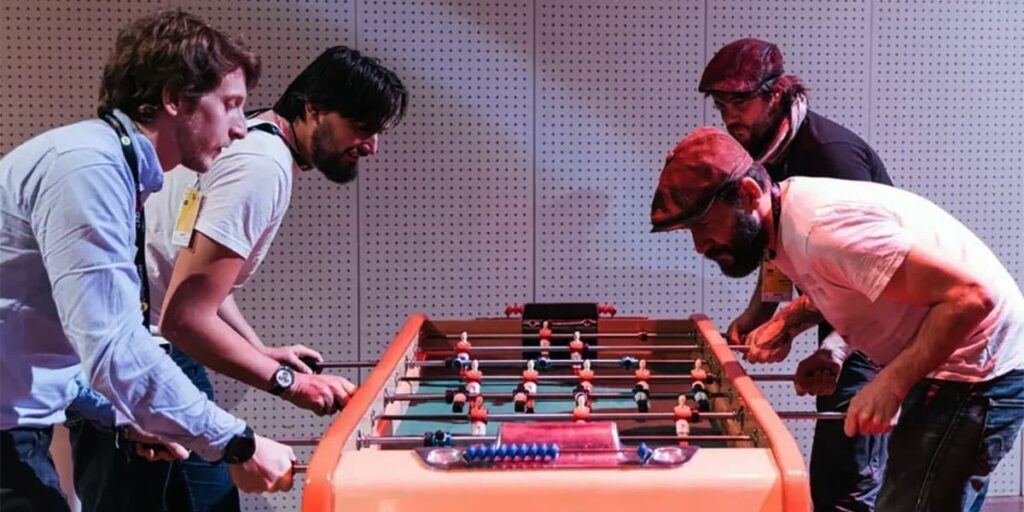
In the fast-paced world of IT, where deadlines are tight and projects are complex, productivity relies on more than technical skills and collaboration tools—it also hinges on team cohesion and personal well-being. Italian IT companies are increasingly aware of the positive impact that team-building and recreational activities have on enhancing team efficiency and focus. These initiatives help employees recharge, reduce stress, and boost their performance capacity.
Importance of Team Building for Collaboration
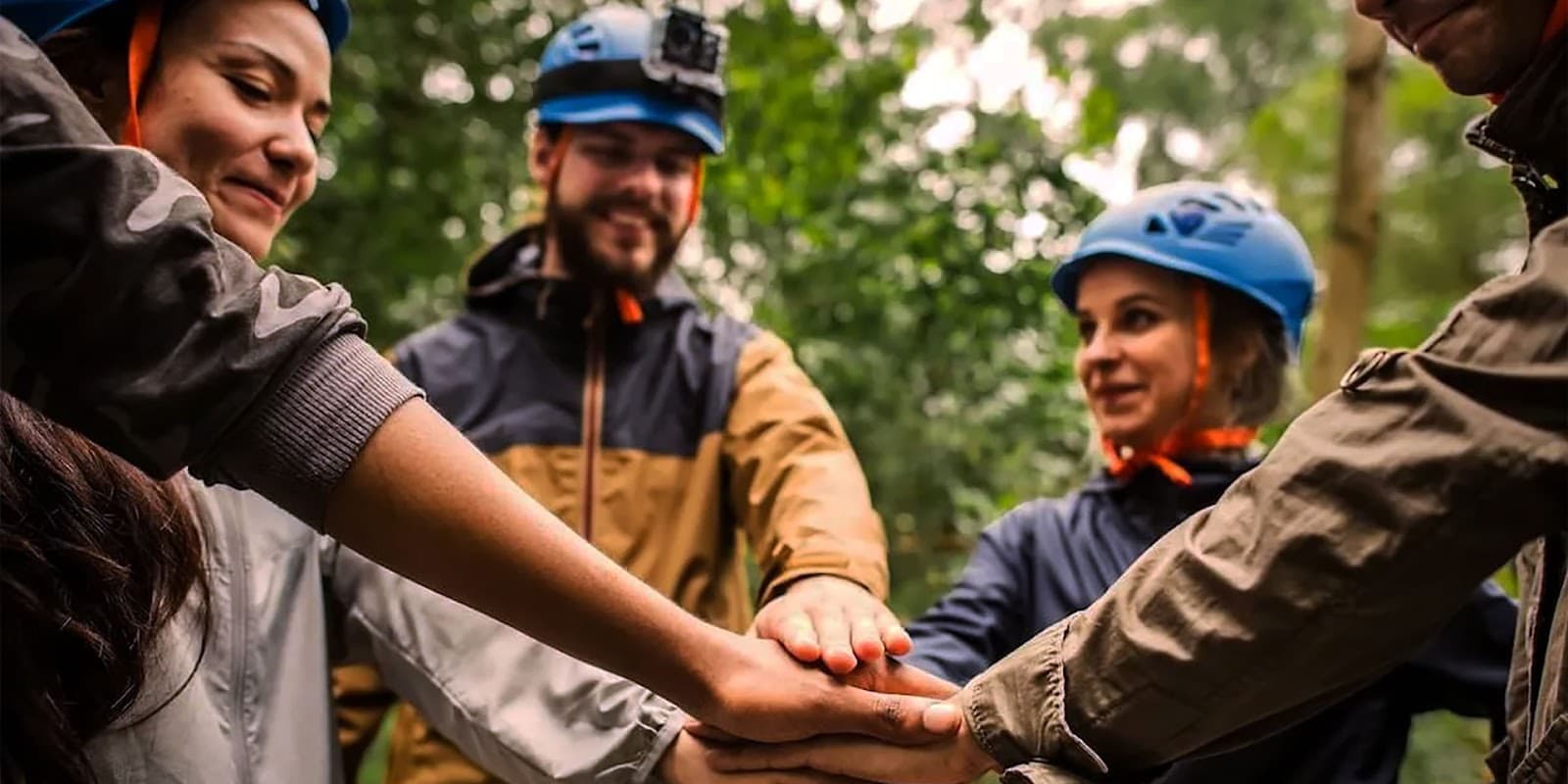
Team-building activities foster trust, improve communication, and promote team unity. In Italian IT companies, these activities extend beyond formal workshops, including off-site retreats, group challenges, and informal social gatherings. Creating opportunities for team members to connect in non-work settings, these companies help build a strong camaraderie, which translates into smoother collaboration when teams return to their regular tasks.
Recreational Activities and Personal Well-being
In addition to team building, recreational activities that allow employees to relax and unwind are essential for maintaining high productivity. One popular activity among Italians is playing online casino games, a fun, engaging way to de-stress after a long workday. Many Italians enjoy playing on casinò non-AAMS platforms that pay via Skrill, offering quick, convenient payouts. Websites like Adanet help users select the best casinos based on personal preferences, including payment options like Skrill, providing players with a well-rounded and safe gambling experience.
For IT professionals, online gaming can help relax the brain, providing a mental break from work pressures. These brief periods of recreation allow individuals to return to their tasks with renewed focus and creativity. Just as physical activities improve cognitive function and reduce stress, recreational activities like online gaming can help recharge mental energy, ensuring employees remain engaged and productive throughout the workday.
Case Studies of Italian IT Companies Supporting Team Building
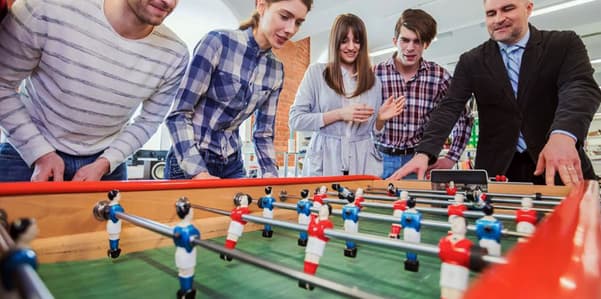
Italian companies like Dedalus Group and BIP – Business Integration Partners have successfully integrated team-building activities and personal recreation into their company culture. Dedalus Group, for instance, offers in-house recreational facilities, while BIP organizes regular social events to strengthen team bonds. Both companies understand that mental well-being, whether fostered through physical activities or hobbies like online gaming, directly impacts overall productivity and workplace satisfaction.
Key Lessons from Italian IT Teams
Italian IT companies have become a source of inspiration for improving team productivity, particularly in collaboration, team building, and employee well-being.
Balancing Technology with Human Connection
While collaborative tools such as Slack, Jira, and GitHub are essential for managing tasks and communication, Italian IT teams emphasize the importance of human interaction. They understand that no tool can fully replace the value of face-to-face communication, trust, and team spirit. Regular team-building exercises, inside and outside the office, help foster a sense of community and ensure that technology supplements rather than replaces personal connections.
Embracing Flexibility in Work Practices
Italian IT teams are known for their flexible work environments, particularly in remote work and hybrid models. These companies boost morale and productivity by allowing employees to choose where and how they work. The flexibility extends to collaborative tools that enable remote workers to stay connected and fully engaged, ensuring that location is never a barrier to effective teamwork.
Prioritizing Employee Well-being
Italian IT companies have prioritized employee well-being, understanding that productivity is closely linked to mental and physical health. From offering wellness programs, such as yoga and meditation sessions, to encouraging time off for personal hobbies, these companies ensure their employees remain refreshed and engaged. As a result, they see lower rates of burnout and higher levels of sustained performance.
The key lessons from Italian IT teams highlight a holistic approach to productivity beyond tools and technology. By fostering strong team connections, supporting personal well-being through recreational activities, and maintaining flexibility in work practices, Italian companies are setting an example for achieving high-performance levels in today’s competitive IT landscape.