
Mobile apps are the future. If you're not building one already, it's time to start. The app market is growing exponentially and there is no sign of slowing down in sight. What's more, consumers are spending more time on their mobile devices than ever before. Combine this with the fact that smartphone penetration worldwide has reached 50% and continues to grow; businesses should be taking advantage of these opportunities by creating an app for themselves now or they will face tough competition soon enough!
Mobile apps are a viable tool for business owners who want to increase revenue. They can be used as an instrument for both direct sales and marketing, providing you with the opportunity to earn money through in-app purchases or ad placements. However, if you're not careful about how you use them, your mobile app might end up costing more than it makes! Read on for our top tips on how to make sure your mobile apps are boosting rather than hurting your bottom line.
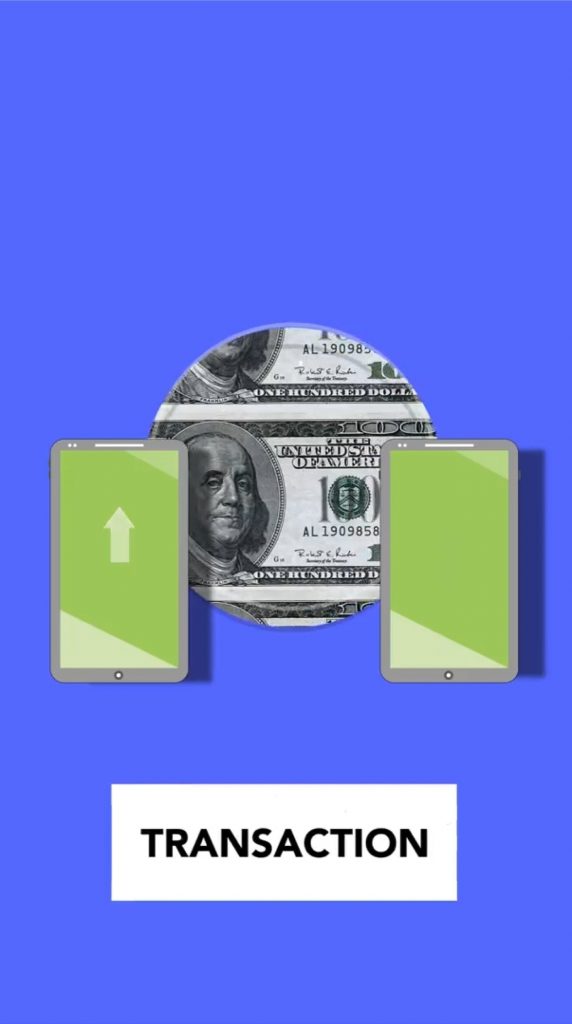
5 steps to increase your business revenues through a mobile app
The following five strategies will help you boost your company’s revenues via mobile apps:
1.Brand Yourself
Your company’s logo and or slogan is displayed within the app itself. This can help customers identify you as the company they are looking for when they launch your app. A clear description of what you do and why people should use your business' services - Contact information for customer service, questions, comments, etc...
A brief description of the app's features and an exciting call to action! Use bullet points to list the components of your mobile app. Unique features that are specific to your business/application Screenshots should be included here as well!
2.Your marketing tool
The use of mobile apps as a marketing tool is becoming more and more common. Promotions and event announcements are sent to push notifications or in-app newsletters, keeping users updated on what's going on with their favorite brands/companies.
3.Implement a Customer Loyalty Program
Customer loyalty programs also boost revenue by giving back to repeat buyers through coupons and discounts (such as buy ten coffees and get one free).
A helpline that’s available 24/7 to take care of customer complaints and requests. It is also a great way to build relationships with your customers
4.Acquire more customers
The useful and engaging mobile app from your company can be used to make purchases directly from within the app. This is definitely not something that needs to be taken lightly as most people would prefer contacting a business via their mobile device rather than waiting until they get home or at work
Payment System - an easy and convenient way for your customers and prospects to contact you with concerns, complaints, questions, etc… It’s important because it helps build relationships between you and your customers/prospects by giving them access to ask quick questions without having to wait until later in the day!
5.Personalized Customer Experience
You can offer a personalized experience for attracting more users. For example, Starbucks has their own mobile wallet which allows users to pay using stored credit cards or gift cards all without having to leave the App!
Users have high expectations with mobile apps, so you need to strike a balance between what is possible and what users want. The "old" version of your website may not be enough anymore for today's customers - they are looking forward to go beyond the limitations of desktop websites! A good example would be Amazon Prime Now which allows their customers to order same-day delivery items in less than two hours. This is made possible with dedicated couriers who carry out deliveries within that timeframe, making it available as an app on both Android and iOS devices. Another factor to consider when providing personalized customer experience through mobile applications is data protection laws such as GDPR (General Data Protection Regulation). Make sure that all information collected from your users can only be used for the intended purposes and not shared with other parties.
The use of mobile apps has become a huge part of our everyday lives. Mobile apps are the most popular type of software in the world, with over 2 million apps available on app stores worldwide. A study found that companies who invest in mobility see an average return-on-investment (ROI) of 617% - that's nearly 7 times more money than what they spend!