

In an increasingly interconnected world, it is more important than ever for children to develop a sense of global awareness and empathy. Exposing kids to different cultures not only broadens their horizons but also helps them understand and appreciate the rich diversity of our planet. For example, educators can use StoryboardThat's flag maker to help kids better learn about other countries, their flags, and ultimately, their cultures.
This understanding is crucial for fostering global citizenship, promoting social harmony, and building a better future. In this article, we will explore the benefits of exposing children to various cultures, discuss initiatives that can help develop cultural agility, and offer insights on how parents and educators can teach kids to appreciate and respect cultural diversity.
The Importance of Global Awareness and Empathy
Global awareness refers to the understanding of worldwide issues, cultures, and perspectives, while empathy is the ability to share and comprehend the feelings of others. When children are exposed to different cultures, they learn to recognize and appreciate the unique customs, traditions, and values that shape people's lives. This understanding fosters a sense of global citizenship, encouraging children to respect diversity and contribute positively to the world.
Developing global awareness and empathy in children is essential for several reasons:
- Promotes tolerance and respect: By understanding and appreciating cultural differences, children are more likely to develop open-mindedness, tolerance, and respect for others. This fosters social harmony and reduces the likelihood of conflicts and misunderstandings.
- Enhances problem-solving skills: Exposure to diverse perspectives allows children to approach problems from multiple angles, enhancing their problem-solving and critical-thinking abilities.
- Prepares children for a globalized world: As the world becomes more interconnected, children who possess cultural agility and empathy are better equipped to navigate diverse environments, work with people from different backgrounds, and succeed in various fields.
- Encourages collaboration and teamwork: When children are exposed to different cultures, they learn to appreciate the value of working together and collaborating with others to achieve common goals. This skill is crucial in today's globalized workforce, where teamwork and cross-cultural collaboration are essential.
Initiatives to Develop Cultural Agility in Children
There are numerous initiatives that can help children develop cultural agility and foster global awareness. Some examples include:
Language immersion programs
Learning a new language is an effective way to immerse children in a different culture. Language immersion programs, which integrate language learning with cultural experiences, can help children understand the nuances of a culture and develop empathy for its people.
Cultural exchange programs
Cultural exchange programs, such as student exchanges or pen pal initiatives, enable children to directly interact with peers from different countries. These programs provide a unique opportunity for kids to learn about other cultures, customs, and traditions firsthand, fostering global understanding and friendships.
Multicultural curriculum at schools
Incorporating a multicultural curriculum in schools can help expose children to a wide range of cultural perspectives, histories, and experiences. This approach encourages students to appreciate diversity and develop a broader worldview.
Travel and family vacations
Traveling to different countries or regions with diverse cultural backgrounds can be an eye-opening experience for children. These trips can provide valuable opportunities for kids to learn about local customs, languages, and traditions, fostering their global awareness and empathy.
What Parents Can Do to Teach Kids About Different Cultures
Parents play a crucial role in exposing their children to different cultures and fostering global awareness. Here are some strategies that parents can employ:
Celebrate cultural festivals
Participating in cultural festivals and events can be an enjoyable way for children to learn about different traditions and customs. Parents can take their kids to cultural events in their community or organize celebrations at home that highlight various cultures.
Read books and watch movies
Reading books and watching movies about different cultures can help children gain insights into the lives of people from diverse backgrounds. Parents can choose age-appropriate material that showcases various cultural experiences, values, and perspectives.
Cook and enjoy international cuisine
Food is an integral part of any culture. Parents can introduce their children to the flavors of different countries by cooking international dishes or dining at ethnic restaurants. This exposure can spark curiosity and encourage children to learn more about the culture behind the cuisine.
Foster open discussions
Encourage children to ask questions and engage in conversations about different cultures, values, and beliefs. This can help develop their understanding, curiosity, and empathy for people from diverse backgrounds.
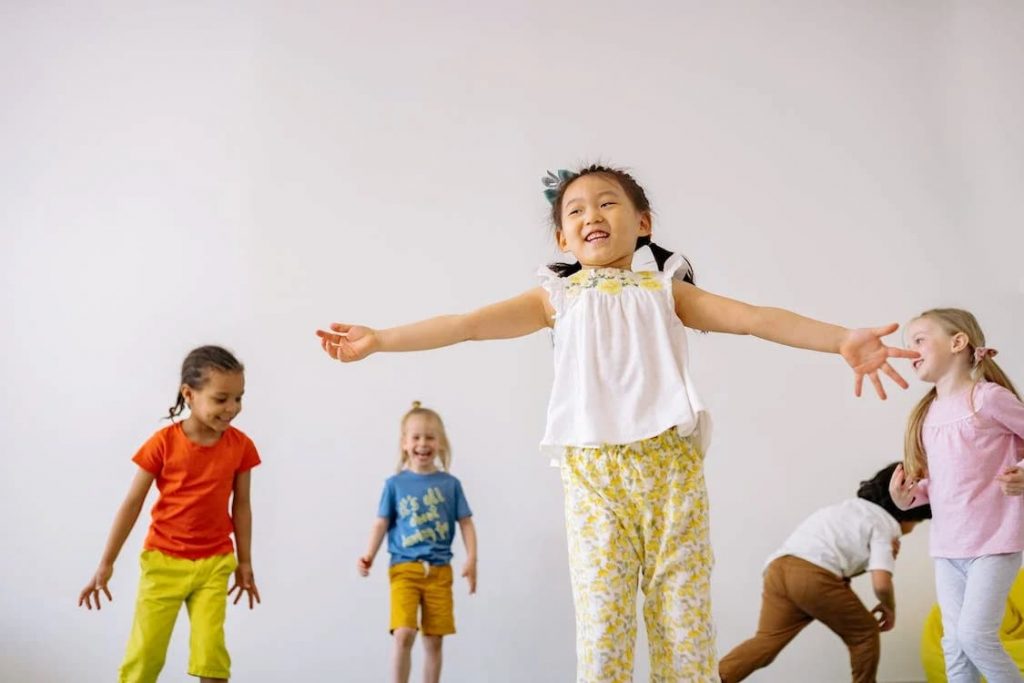
Encourage participation in cultural activities
Parents can enroll their children in cultural clubs, classes, or workshops that focus on various art forms, dance styles, or music traditions from around the world. These activities can provide a fun and engaging way for children to learn about different cultures while developing new skills and interests.
The Impact of Cultural Exposure on Social Skills and Respect for Diversity
Exposing children to different cultures can significantly impact their social skills and respect for diversity. By learning about various customs, traditions, and values, children develop empathy and a deeper understanding of the world around them.
They become more respectful of others' perspectives, learn to listen and communicate effectively, and are better equipped to navigate diverse social situations. These skills are essential for success in a globalized world, where collaboration and cross-cultural understanding are increasingly important.
Moreover, exposure to different cultures can also foster creativity and innovation in children. As they learn about various traditions, art forms, and ways of thinking, they become more open to new ideas and approaches, which can inspire them to think outside the box and come up with innovative solutions.
Bottom Line
In conclusion, exposing children to different cultures is vital for promoting global awareness, empathy, and respect for diversity. By participating in initiatives like language immersion programs, cultural exchange programs, and multicultural curricula, children can develop cultural agility and social skills that will serve them well in an interconnected world. Parents and educators play a crucial role in nurturing these qualities, fostering a sense of global citizenship, and building a brighter future for all.